

This section walks through the rules that sit between you and any lender: federal statutes like the Truth in Lending Act, state interest-rate caps and licensing requirements, and the regulators who enforce them. It is written for anyone comparing a loan offer, dealing with a pushy collector, or suspecting they have been misled, and it shows you exactly who to turn to when a company breaks the rules.
Is this lender legitimate, and what can I do if I'm wronged?
Check the license first. Every state publishes who may lend there, and the free NMLS Consumer Access database lets you look up a company by name before you share a Social Security number. A legitimate lender must also hand you a Truth in Lending disclosure showing the APR and total finance charge before you sign; one that dodges this or demands an upfront fee belongs in our Scams & Regulation section. Active-duty servicemembers and their dependents get extra cover, since the Military Lending Act caps most consumer loans at a 36% annual rate.
If something goes wrong, keep your contract and every message, then complain to the CFPB, which forwards it to the company and expects a response within 15 days. State attorneys general handle unlicensed operators. Read Payday Loans before touching the high-cost end of the market, use Debt Help once you are behind on payments, and see Credit Scores for how disputes and missed payments reach your file.
Loan laws by state
Payday, title and installment loan rules, rate caps and the regulator to contact, state by state, each with the statute cited.
Latest guides
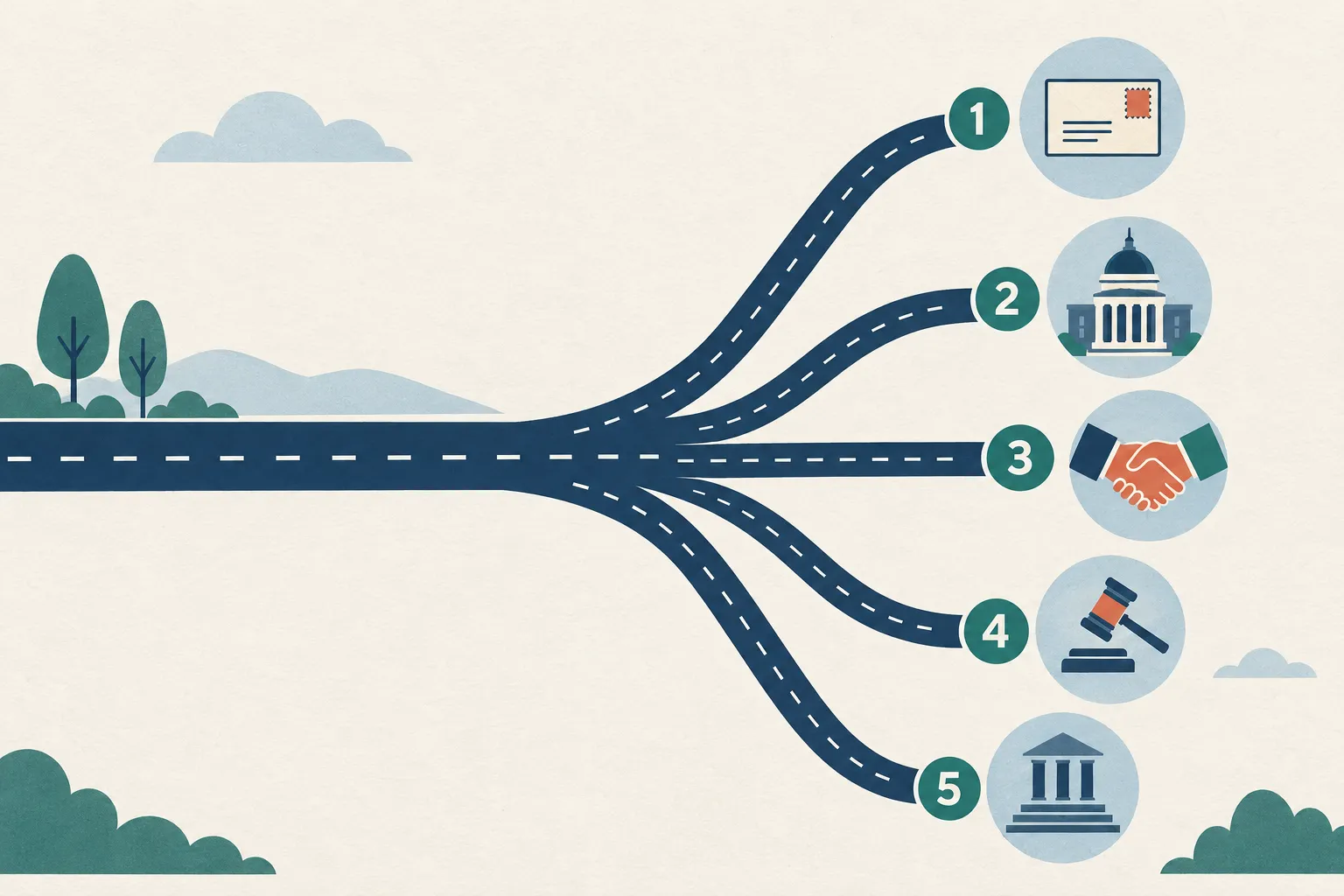
Financial dispute resolution options for borrowers
Financial dispute resolution covers every method of settling a money disagreement[…]
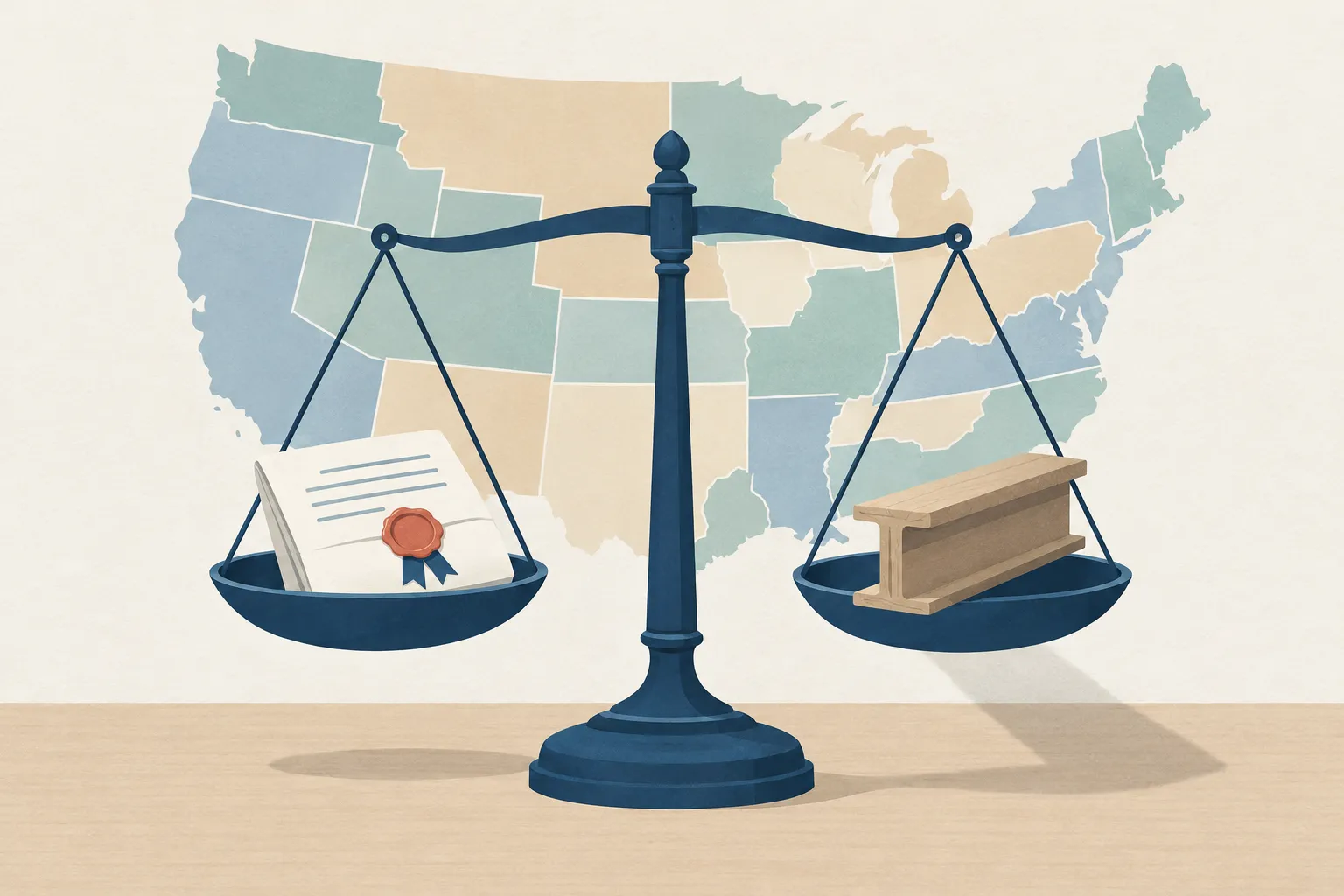
What usury is and how state usury laws cap interest
Usury is lending money at an interest rate higher than the[…]