

This section explains how a crypto wallet actually works, from the app on your phone to the hardware device in a drawer, and how to keep what is in it from being stolen. It is written for US investors who hold more than they would be comfortable losing and want a clear, tested way to protect it.
Should you keep crypto on an exchange or in your own wallet?
For small amounts you trade often, an account at a regulated US exchange is reasonable, but understand that crypto there is not covered by FDIC insurance the way bank deposits are. If the platform fails or your login is compromised, recovery is uncertain. Once a balance grows into money that would hurt to lose, move it to a wallet you control. A hardware wallet from an established maker costs well under $100, which is cheap relative to the risk it removes. Buy direct from the manufacturer, never second hand.
Self-custody shifts responsibility to you, so treat the seed phrase as the asset itself: offline, on paper or metal, never photographed. Pair this section with Crypto Basics if terms like private key are new, read Scams & Regulation before approving any transaction you did not initiate, check Buying & Selling for how to withdraw coins safely, and review Staking & DeFi before connecting a wallet to any protocol.
Latest guides
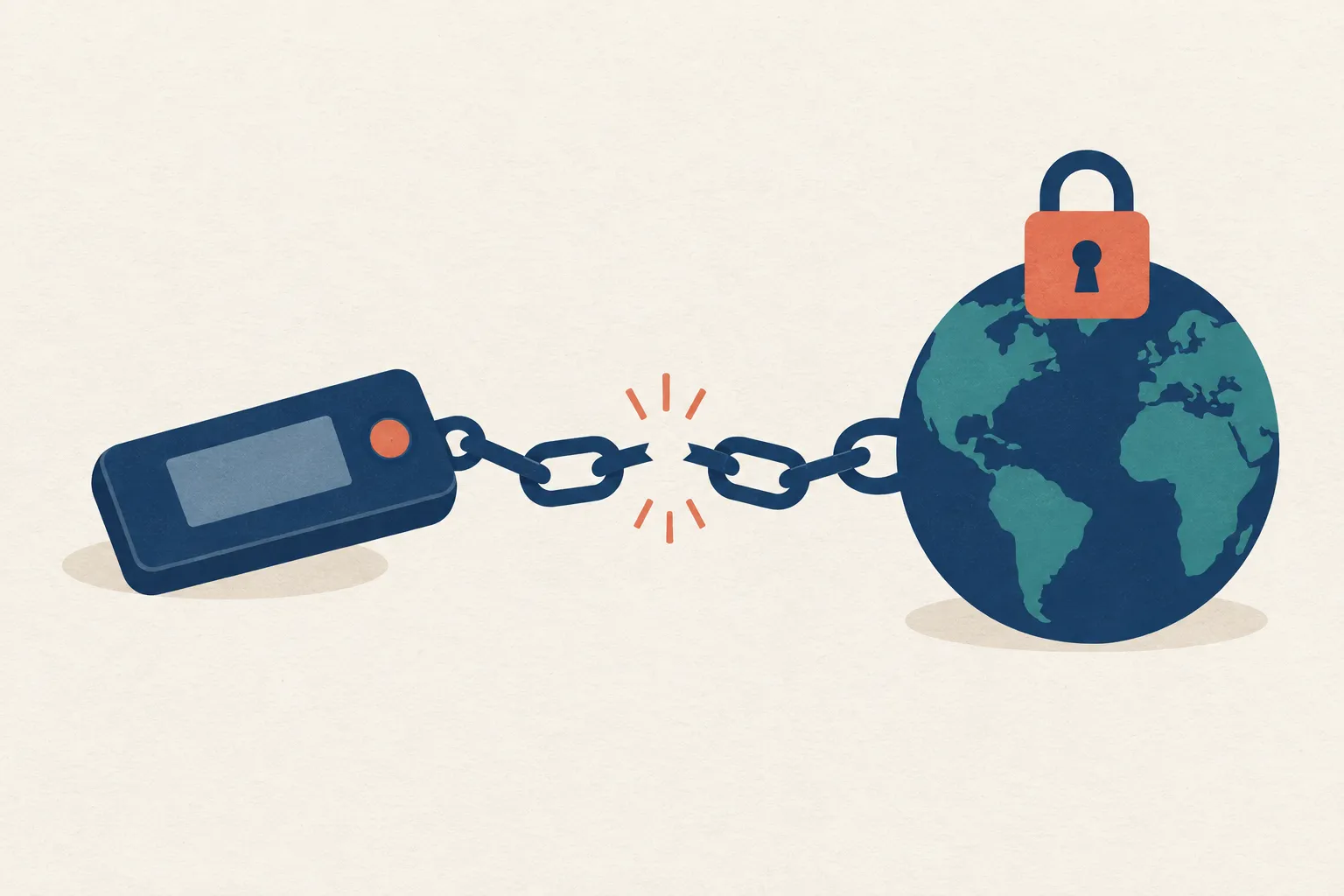
What a cold wallet is and how it keeps crypto offline
A cold wallet is a crypto wallet that keeps your private[…]
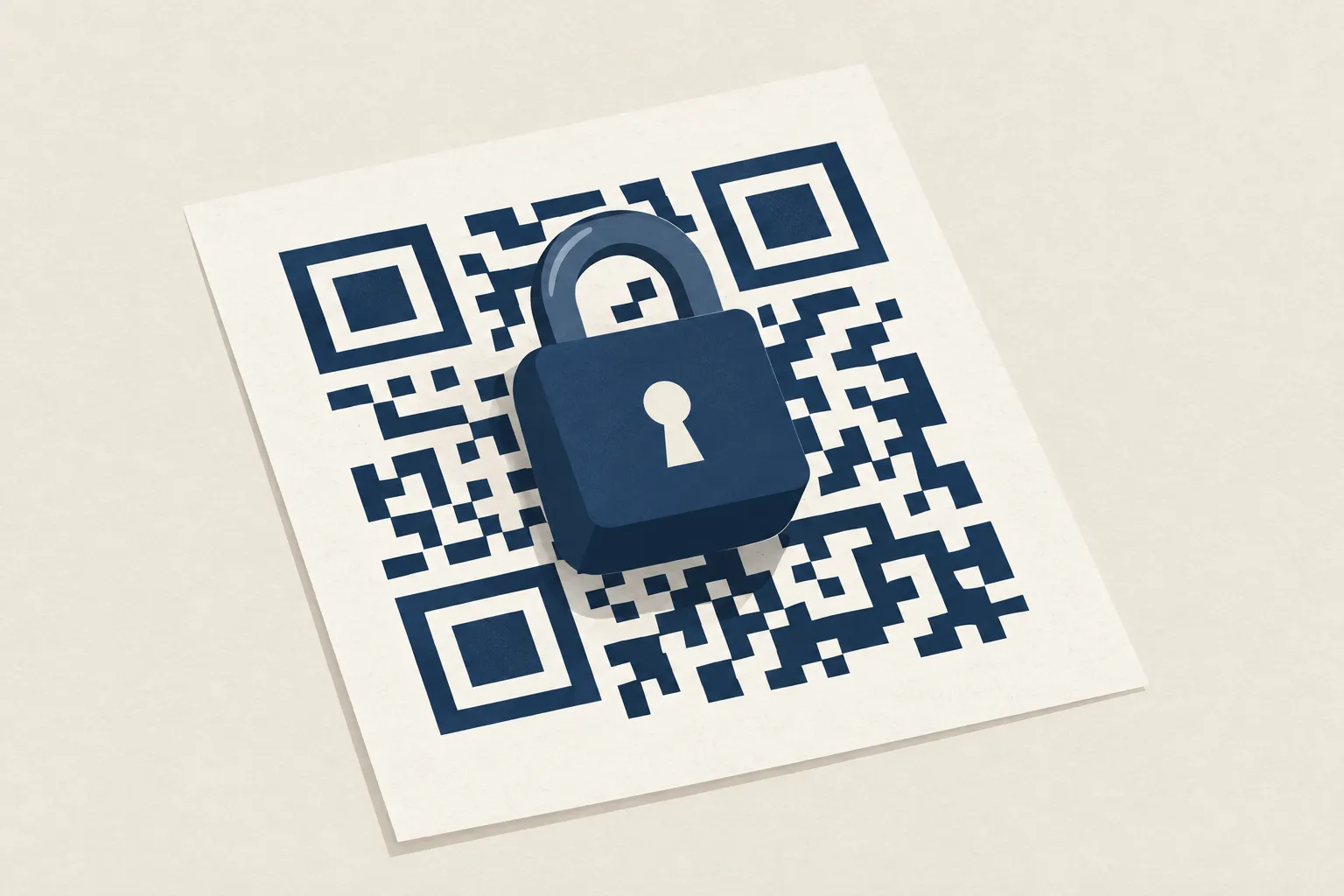
Private key QR codes: how to handle them safely
A blockchain private key QR code is a picture of the[…]