

This section explains cryptocurrency for beginners in plain English, from what a coin actually is to how the IRS expects you to report it. It is written for Americans who are curious about Bitcoin, Ethereum or stablecoins but want the costs, risks and rules laid out before they put any money in.
Should a beginner buy crypto, and how much is safe?
Treat crypto as a speculative bet, not a savings account. Prices can fall by half in a matter of weeks, exchange deposits are not covered by FDIC insurance, and if you lose your private keys nobody can restore your coins. A sensible starting point is money you could lose entirely without changing your plans, and only after you have an emergency fund and no high-interest debt. Our Crypto Basics guides walk through the coins and the vocabulary before you spend a dollar, and Wallets & Security shows how to store coins so a hacked exchange or a lost phone does not wipe you out.
Remember that the IRS classifies cryptocurrency as property, so selling, swapping one coin for another, or spending it on a coffee is a taxable event you must report. Crypto Taxes explains the forms and record-keeping. Scams & Regulation covers the fake investment platforms, romance schemes and impersonators that account for much of the money beginners lose, along with the patchy rules that currently protect you.
Latest guides

Nominated proof of stake (NPoS) explained
NPoS stands for nominated proof of stake, the consensus system Polkadot[…]

What is an IDO and how token launchpads work
An IDO (initial DEX offering) is a token sale run through[…]
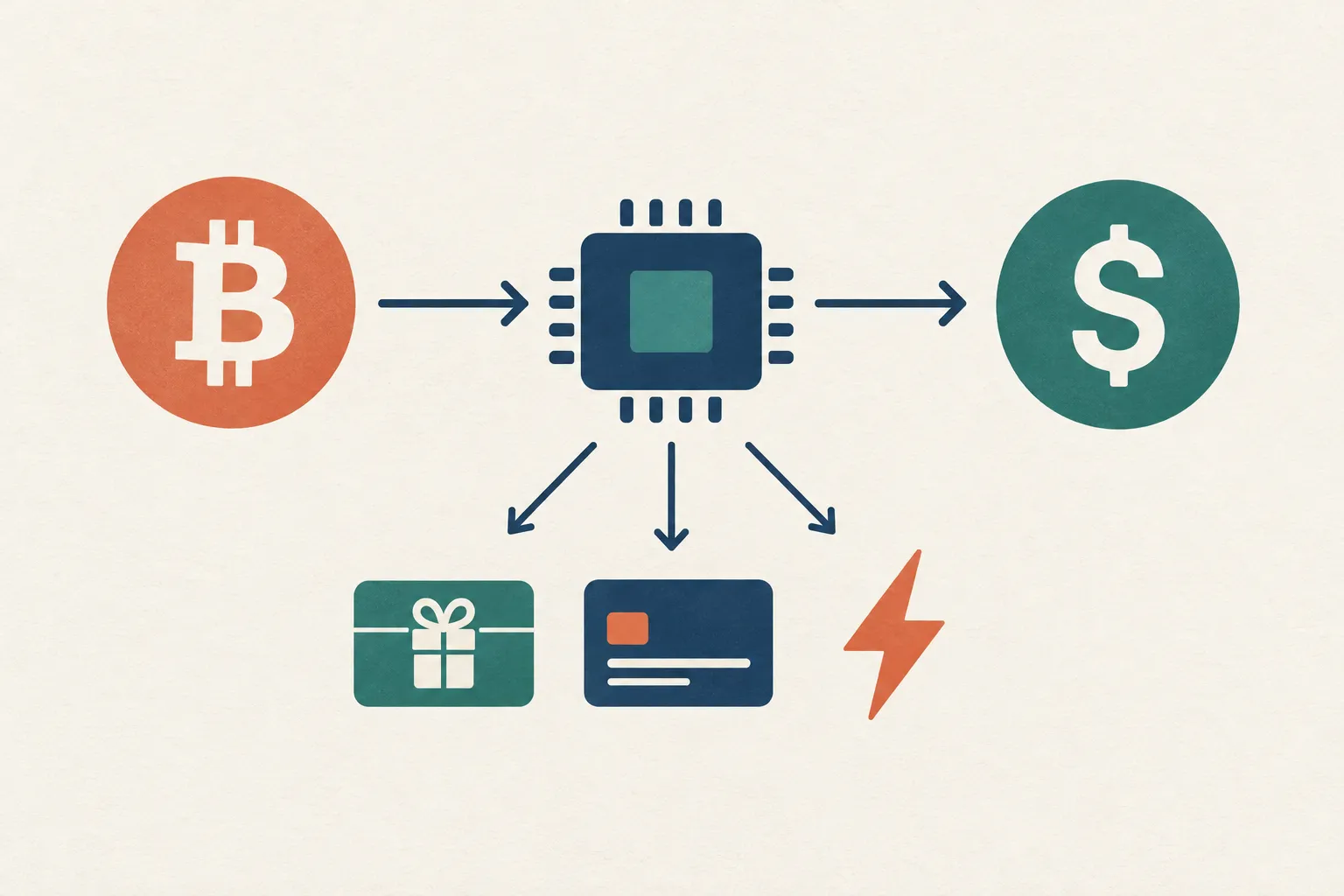
Where you can spend bitcoin and what you can buy with crypto
You can spend bitcoin on electronics, gift cards, hotel stays, bills,[…]

Pegged meaning: how a hard peg works for currencies and stablecoins
Pegged means fixed to something else. A pegged currency or stablecoin[…]
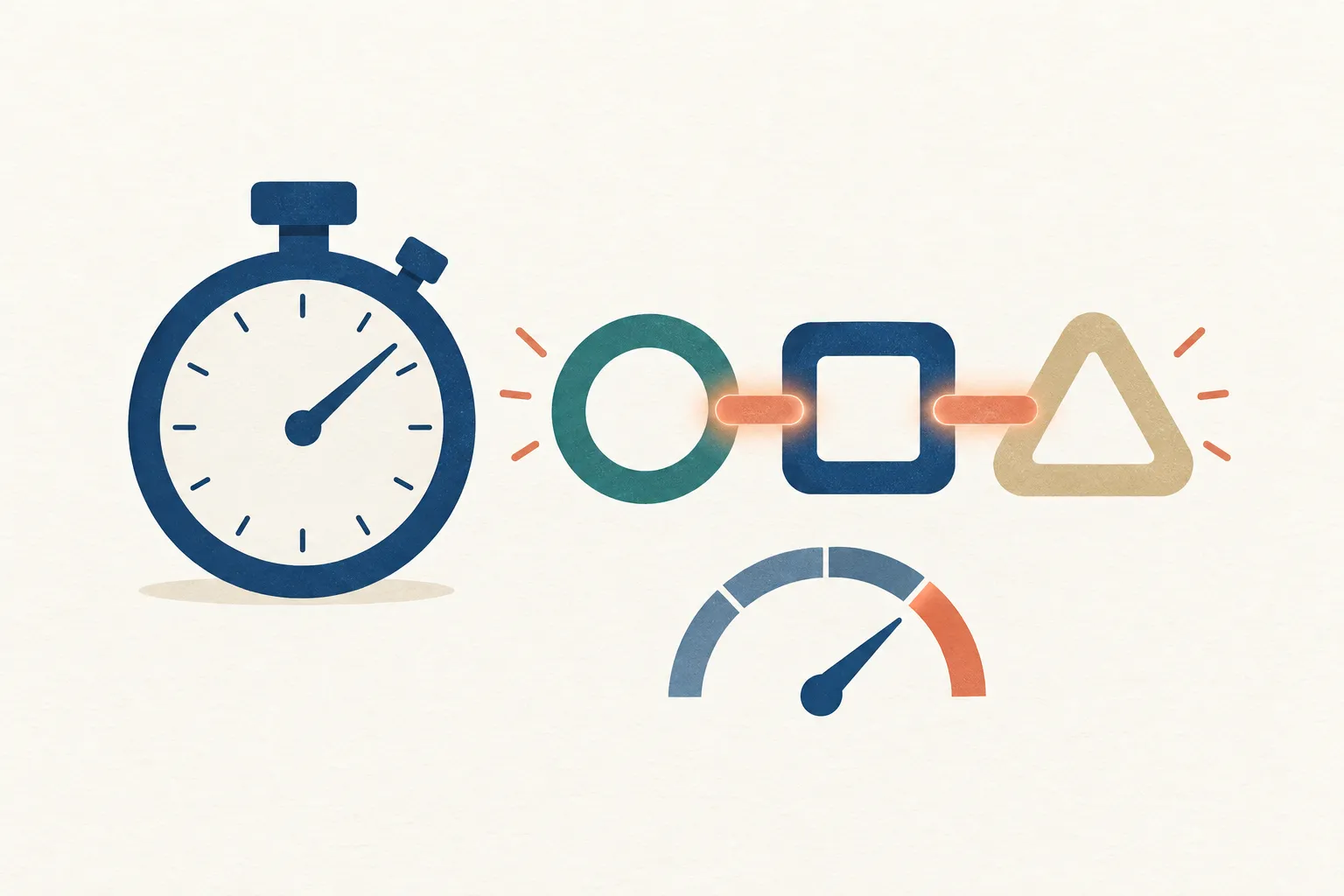
Transactions per second: how fast blockchains really are
Transactions per second (TPS) is the number of transactions a network[…]
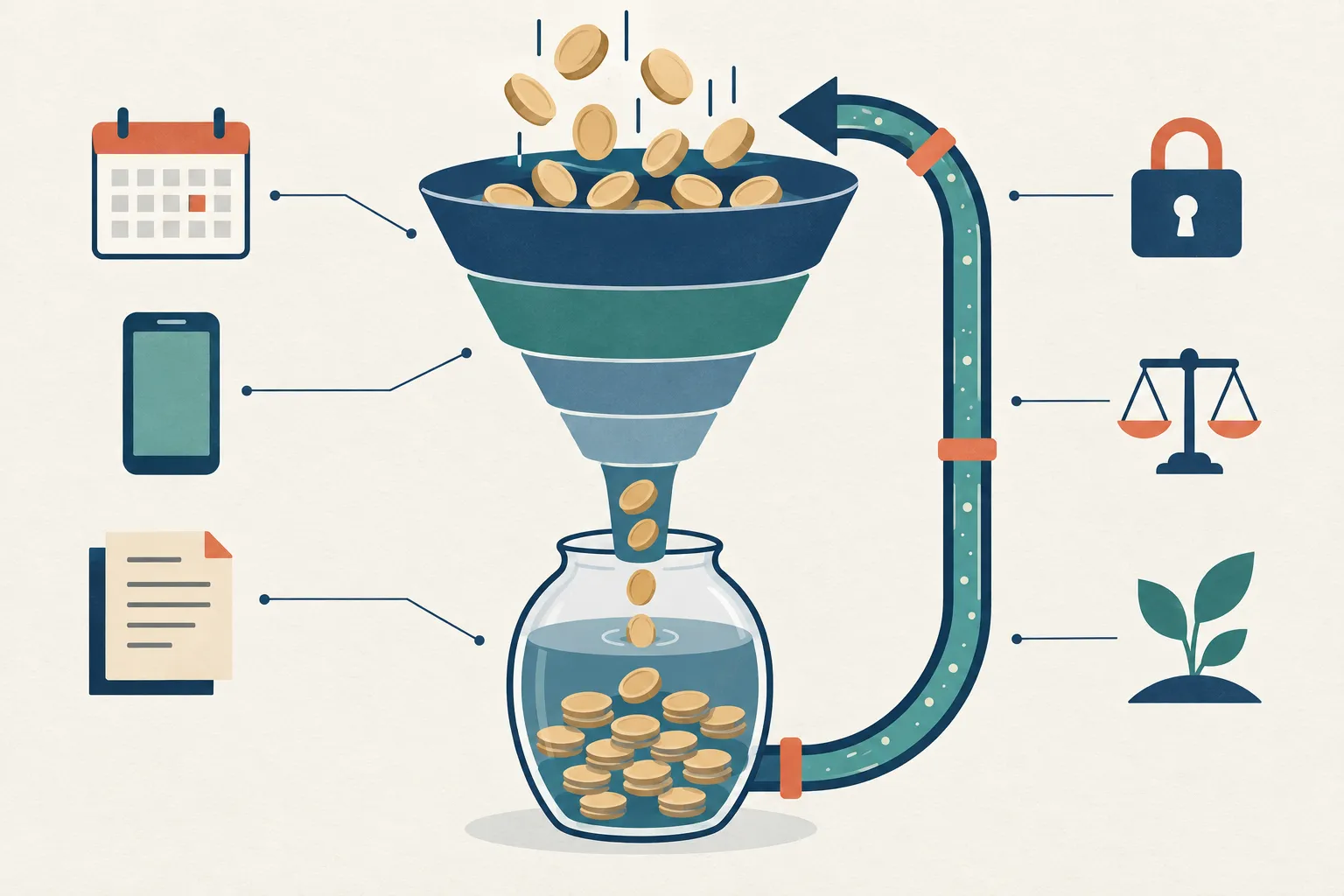
What a Ponzi scheme is and how crypto Ponzi schemes work
A Ponzi scheme is an investment fraud that pays earlier investors[…]

What is an NFT and how do NFTs work
An NFT, short for non-fungible token, is a unique digital record[…]

Capitulation: what it means in crypto and stock markets
Capitulation is the moment investors give up. The capitulation definition in[…]

What is scalping in trading and what it risks
Scalping is a trading style built on holding a position for[…]

Form 1099-DA explained for crypto investors
Form 1099-DA, titled “Digital Asset Proceeds From Broker Transactions,” is the[…]