

NEW RULEConsumer alert, published October 29, 2026
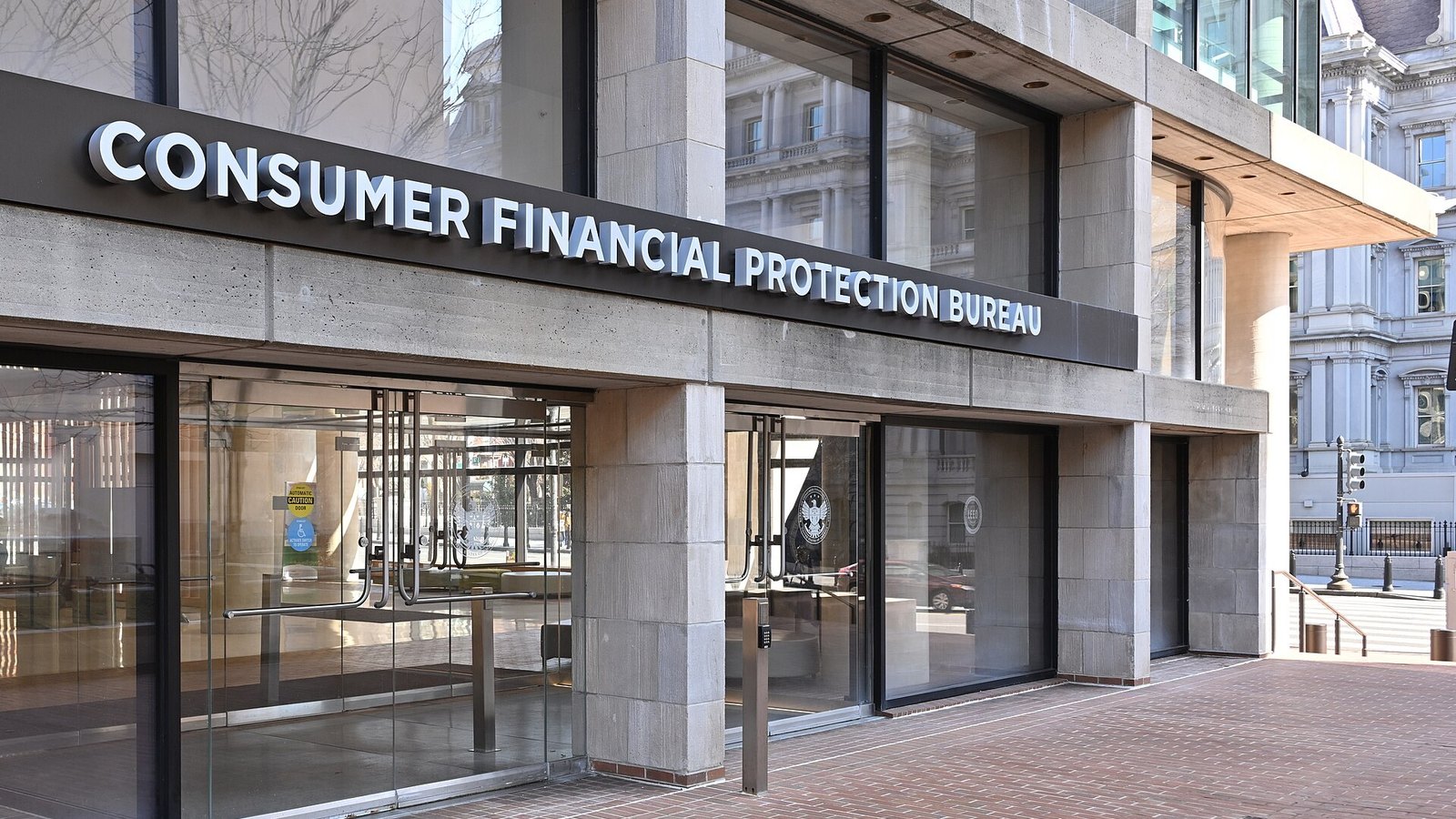
A second lawsuit now challenges a Consumer Financial Protection Bureau rule that narrows federal fair lending protections, Law360 reported on October 29, 2026. The rule, published in the Federal Register on April 22, 2026, took effect July 21, 2026. It applies to lenders covered by the Equal Credit Opportunity Act and, through them, to people who apply for credit.
What changed
The CFPB issued a final rule amending Regulation B, which carries out the Equal Credit Opportunity Act (ECOA). It appeared in the Federal Register on April 22, 2026, at 91 FR 21620. The Bureau finalized it as proposed. It had first proposed the rule in November 2025.
The rule makes three main changes, according to the Federal Register notice and the CFPB’s Regulation B page:
- No more “effects test.” The rule states that ECOA does not authorize disparate-impact liability. That means a lender’s policy is no longer judged under this rule by whether it falls harder on certain groups. The question becomes whether the lender intended to discriminate.
- Narrower “discouragement” ban. The prohibition on discouraging applicants now focuses on statements of intent to discriminate.
- New limits on special purpose credit programs. Lenders may not use race, color, national origin or sex as the common characteristic for people served by these programs. For-profit lenders that run them face added requirements.
Regulation B still bars credit discrimination based on race, color, sex, age, national origin and other factors. What changed is how that ban is defined and enforced.
According to law firm Venable, the rule carries out an April 23, 2025 White House executive order. That order directed agencies to eliminate disparate-impact liability to the maximum extent permitted by law.
Who it affects
The rule applies to creditors covered by ECOA. That includes lenders that make mortgages, car loans, credit cards and business loans. Borrowers feel it indirectly, through how lenders set and review their lending policies.
The first lawsuit was filed May 27, 2026, in the U.S. District Court for the District of Columbia, case No. 1:26-cv-01820, as American Banker and Ballard Spahr’s Consumer Finance Monitor reported. The plaintiffs are the National Fair Housing Alliance, Rise Economy, BLDS, LLC and SolasAI. They sued the CFPB and Acting Director Russell Vought under the Administrative Procedure Act and ask the court to vacate the rule. They also challenge Vought’s authority as Acting Director. The complaint was amended on August 11, 2026, to add a challenge to the CFPB’s rulemaking process. The CFPB declined to comment on that suit to American Banker.
When it takes effect
The rule took effect July 21, 2026. The CFPB’s own rule page lists that effective date, along with docket CFPB-2025-0039 and RIN 3170-AB54. No court order blocking the rule was found in the sources we reviewed.
Lawsuits do not pause the rule
Filing a lawsuit does not stop a rule. Unless a judge orders otherwise, this rule stays in force while both cases move forward.
What you should do now
You do not need to take any special step because of the rule. Lenders still may not discriminate against you on the protected grounds listed in Regulation B.
If you believe a lender treated you unfairly because of your race, sex, age, national origin or another protected factor:
- Keep copies of applications, emails, letters and notes from calls.
- File a complaint with the CFPB at consumerfinance.gov/complaint.
- Contact your state attorney general’s consumer protection office. Some states have their own lending discrimination laws.
- Talk to a lawyer or a nonprofit housing or credit counseling agency about your options. This article cannot tell you whether you have a claim.
What we don’t know yet
The sources we reviewed do not say who filed the second lawsuit, which court it was filed in or exactly what it asks for. Law360’s October 29, 2026 report is the only source we have for it.
We also do not know how or when the courts will rule. A judge could leave the rule in place, send it back to the CFPB or vacate it. Until a court acts, the rule that took effect July 21, 2026, is the law lenders must follow.
For the background, see our borrower rights guides.
Laws and regulations referenced
Links go to the official text on government sites.
Check, verify or complain
Sources
- Federal Register / CFPB final rule, published 04/22/2026 federalregister.gov · primary source
- CFPB (consumerfinance.gov) consumerfinance.gov · primary source
- CFPB (consumerfinance.gov) consumerfinance.gov · primary source

Leah writes US Financer's Consumer Alerts: scam warnings and money rule changes issued by federal agencies, state attorneys general, regulators and courts. Each alert starts from the official notice, says what is confirmed and what is not known yet, and lists the agency's own page…

Ruth is US Financer's standards editor. Every article goes through her checks before and after it is published: each rate, fee, cap, deadline and rule is matched against its primary source, every law named is linked to its official text, and anything that cannot be…
Comments are closed