

WARNINGConsumer alert, published November 11, 2026
The Federal Trade Commission announced on November 10, 2026, that it reached a settlement with Stream Auto Outlet and related defendants over vehicle pricing the agency calls deceptive. The FTC alleges the dealership advertised prices that left out required charges and misrepresented discounts. The agency said the people affected were consumers shopping for or buying vehicles from Stream Auto Outlet.
What is happening
In its November 10, 2026 announcement, the FTC said it had taken action against Stream Auto Outlet for deceptive pricing. The agency’s complaint accuses the dealership and related defendants of two things. First, advertising vehicle prices that did not include charges buyers were required to pay. Second, misrepresenting discounts.
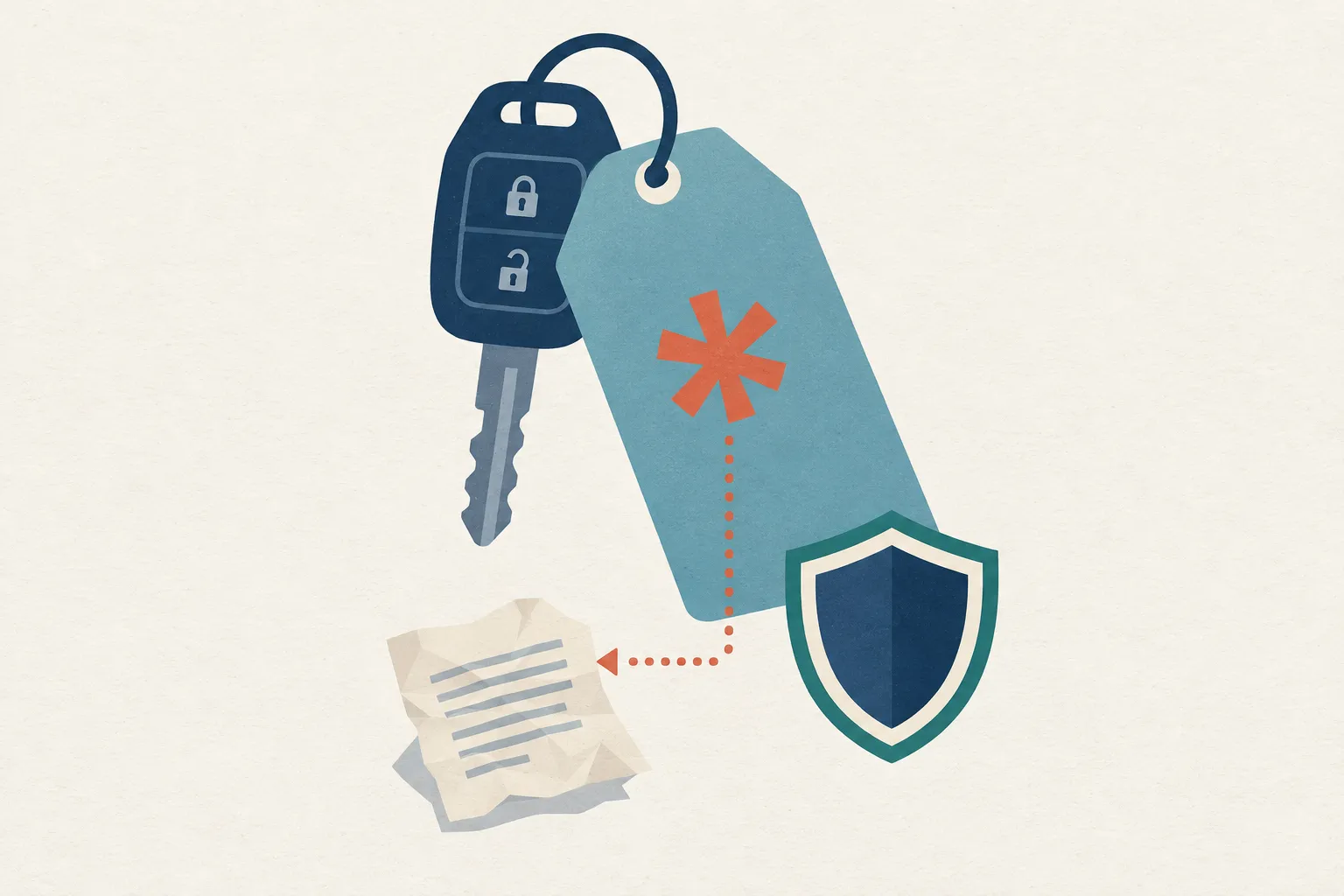
The FTC also made a point that matters to every car shopper. The agency said fine-print disclaimers do not cure a misleading advertised price. A small note at the bottom of an ad does not make a misleading price acceptable.
This is a settlement, but it is not final. The FTC describes it as a proposed consent order. According to the agency, the order is not a final finding that the dealership broke the law. The defendants are accused, not found liable.
The FTC said the proposed order is open to public comment for 30 days after it is published in the Federal Register. The agency’s announcement does not say the order is already in effect.
What the warning covers
The FTC’s proposed complaint and consent order lay out what the dealership would have to change. According to the FTC, the order would:
- Bar the defendants from misrepresenting vehicle prices.
- Require advertised prices to include all mandatory charges, with some specified exceptions.
- Address what the dealership says about discounts.
- Address what the dealership says about whether vehicles are available.
The FTC’s announcement and proposed order do not announce a refund amount for consumers. They also do not announce a separate dollar penalty. If you bought a car from Stream Auto Outlet, the FTC has not said that money is coming to you.
The FTC did not say how the dealership reached shoppers. The announcement describes misleading advertised prices and disclaimers. It does not identify a particular channel, such as text, email or social media, and it does not list scam red flags.
Some background helps explain the case. The FTC once adopted the CARS Rule, which would have set pricing and disclosure requirements for auto dealers. A federal appeals court vacated that rule in January 2025. The Stream Auto Outlet matter is described as an enforcement action. It is not the FTC putting the old rule into effect.
How to spot it
The FTC did not publish a red flag list for this case. The points below follow from the practices the agency described in its November 10, 2026 announcement. Watch for:
- An advertised price that is lower than what the dealer will actually let you pay once required charges are added.
- Fine print, asterisks or disclaimers that change the meaning of the big number in the ad.
- A “discount” or “savings” figure that does not match the price you are quoted in person.
- A car shown in an ad that the dealer says is no longer available once you arrive.
- A dealer who will not give you a full price, with every mandatory charge, until you come in.
None of these alone proves wrongdoing. But each is a reason to slow down and ask questions before you sign.
The simplest protection is to get the total price before you make the trip. Ask the dealer, in writing, for the full amount you would pay for a specific vehicle, including every charge you are required to pay. Then compare that number to the ad.
If you were targeted
- Gather your paperwork. Keep the ad you saw, any written quotes, the buyer’s order, the sales contract and your loan documents.
- Compare the advertised price to what you actually paid. Write down each charge that was added and what you were told about it.
- If you see charges on a card or bank account that you did not agree to, call your bank or card issuer using the number on the back of your card.
- Report what happened to the FTC at ReportFraud.ftc.gov. Include dates, prices and copies of the ad if you have them.
- If you are struggling with payments on the car loan, talk to a nonprofit credit counselor. If you think you have a legal claim against the dealer, talk to a lawyer.
Never pay to get your money back
The FTC has not announced any refund for Stream Auto Outlet customers. If someone calls, texts or emails offering to get you money from this case for a fee, treat it as a scam. Do not share bank details, card numbers or your Social Security number with anyone who contacts you about a refund. Government agencies do not charge you to collect money owed to you.
How to report it
If you believe a dealer misled you about a car’s price, discounts or availability, you can report it to the FTC at ReportFraud.ftc.gov. The FTC said in its announcement that consumers can report suspected fraud there.
You can also contact your state attorney general’s consumer protection office. State offices handle complaints about local businesses, including car dealers.
If your problem involves the car loan itself, such as charges added to your financing that you did not expect, you can file a complaint with the Consumer Financial Protection Bureau at consumerfinance.gov/complaint.
If a charge you did not authorize shows up on your card or bank account, contact your bank or card issuer using the number on the back of your card.
Reports help regulators spot patterns. Even if you are not sure a dealer broke the law, a clear record of what you were promised and what you paid is worth sending in.
Check, verify or complain
Sources
- Federal Trade Commission, “FTC Takes Action Against Stream Auto Outlet for Deceptive Pricing,” official agency announcem ftc.gov · primary source
- Federal Trade Commission, official announcement and FTC fraud-reporting portal reportfraud.ftc.gov · primary source

Leah writes US Financer's Consumer Alerts: scam warnings and money rule changes issued by federal agencies, state attorneys general, regulators and courts. Each alert starts from the official notice, says what is confirmed and what is not known yet, and lists the agency's own page…
Ruth is US Financer's standards editor. Every article goes through her checks before and after it is published: each rate, fee, cap, deadline and rule is matched against its primary source, every law named is linked to its official text, and anything that cannot be…
Comments are closed